Read A Visual History of Hiv/AIDS: Exploring the Face of AIDS Film Archive - Elisabet Bjorklund file in PDF
Related searches:
The History of HIV/AIDS
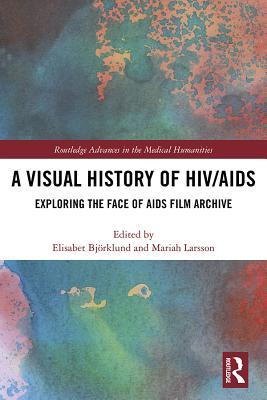
A Visual History of Hiv/AIDS: Exploring the Face of AIDS Film Archive
A Brief History of the Condom – HIV/AIDS
Visual Histories - The Atlantic
A Visual History of HIV/AIDS: Exploring The Face of AIDS film
A Visual History of HIV/AIDS : Exploring the Face of AIDS
Sins of the fathers? A Visual History of HIV/AIDS Taylor
A Visual History of HIV/AIDS Exploring The Face of AIDS film
The Impact of HIV-Related Stigma on HIV Care and Prevention
The Development of HIV Vaccines History of Vaccines
The Pride Guide - National Park Service
Four of the most lethal infectious diseases of our time and how we're
The 2008 Nobel Prize in Physiology or Medicine - Press release
A History of the Red Ribbon - TheBody: The HIV/AIDS Resource
The History of HIV Treatment: Antiretroviral Therapy and More
The History of AIDS and HIV - Medical News Today
Exploring the use of participatory visual methods in teaching
HIV/AIDS in Prisons, 1980-2000 – Exploring the history of
EXPLORING THE ASSET-BASED APPROACH WITH A LEARNER AFFECTED BY
Epidemiology of HIV/AIDS in the United States
AIDS - The origin of HIV Britannica
Seeing with the body: educators' representations of HIV and AIDS
HIV/AIDS in the 21st Century – the polyphony
(PDF) The social construction of HIV/AIDS
This visual exhibit explores the history of HIV/AIDS in
The Confusing and At-Times Counterproductive 1980s Response
10 Major Factors That Influence the Spread of HIV/AIDS in the
(PDF) Pathologising healthy children? A review of the
Visual AIDS - TheBody: The HIV/AIDS Resource
Epidemiology of HIV Infection in the United States
HIV Humanities – the polyphony
Using personal stories to tell the history of HIV and AIDS
404 1022 2913 3595 4631 458 1079 1575 1903 3004 3237 3467 597 2175 53 290 1445 1869 737 2326
According to aidsinfo, it takes at least 10 years without treatment for most people with hiv to develop aids.
Issues around hiv and aids are explored through creating photographic representations of the body, a natural site to begin exploring aids, trying to use photographic imagery to unpack understandings and experiences of aids, in so doing creating a context for action and social change.
Aids - aids - the origin of hiv: details of the origin of hiv remain unclear. However, a lentivirus that is genetically similar to hiv has been found in chimpanzees and gorillas in western equatorial africa. That virus is known as simian immunodeficiency virus (siv), and it was once widely thought to be harmless in chimpanzees. However, in 2009 a team of researchers investigating chimpanzee.
A visual history of hiv/aids: exploring the face of aids film archive.
It is widely believed that hiv originated in kinshasa, in the democratic republic of congo around 1920 when hiv crossed species from chimpanzees to humans. Up until the 1980s, we do not know how many people were infected with hiv or developed aids. Hiv was unknown and transmission was not accompanied by noticeable signs or symptoms.
“i’m still surviving”: exploring hiv/aids through feminist oral history. As part of ohr‘s winter/spring 2018 issue, jennifer brier contributed “‘i’m still surviving’: oral histories of women living with hiv/aids in chicago” to the special section, “decentering and decolonizing feminist oral histories: reflections on the state of the field in the early twentieth century.
The visual aids artists caucus created the red hiv awareness ribbon in 1991. According to the canadian foundation for aids research, an estimated 8 – 10 million people worldwide were living with.
Still, to think of the aids epidemic in medical terms misses half of the story--the social aspect, which affected america's perception of hiv and aids just as much, if not more than medical research.
José saleiro gomes, louisa hann, and stian kristensen, convenors of the manchester hiv humanities: hiv/aids research group, guest-edit a series of articles exploring how the humanities are addressing the present state of the hiv/aids epidemic.
Visual aids artist member jose luis cortes discusses the philadelphia exhibition that he hopes will make people feel sadness, love, pleasure and loneliness.
The deconstruction of visual representations of hiv/aids is centred on exploring how attitudes to disease are formed in society, with attempts to deconstruct them at their metaphoric bases. The stigma of hiv/aids has taken over the judgments and social discrimination once associated.
Hiv prevention hiv treatment human rights key populations private sector and the aids response resources and financing security and humanitarian.
The material documents the hiv/aids pandemic and includes scenes from conferences and rallies, and interviews with activists, physicians, people with the infection, and researchers. It represents a global historical development from the early years of the aids crisis to a situation in which it is possible to live a normal life with the hiv virus.
Behind the face of hiv, queensland 2003, portrays concepts of demographics, history and death, drawing inspiration from christian boltanski’s photographic installations which explore equivalent themes.
A visual history of hiv/aids: exploring the face of aids film archive (routledge advances in the medical humanities) hardcover – 26 july 2018 by elisabet björklund (editor), mariah larsson (editor) see all formats and editions.
The 1980s saw the start of the hiv/aids epidemic and we've made great progress in the decades since.
The earliest condoms were seen as early as 1,000 bc and today employ everything from space age polymers to consumer-friendly flavors. Shereen lehman, ms, is a healthcare journalist and fact checker.
Visual aids 526 w 26th st #510 new york, ny 10001 p: 212-627-9855 e: [email protected].
Confused about the difference between hiv and aids? these terms, though related, are often mistakenly used interchangeably. In fact, having hiv doesn’t necessarily mean a person will develop aids.
Aids becomes the number one cause of death for us men aged 25-44. Link to cdc report on aids becomes the number one cause of death for us men aged 25-44; december 1: cdc launches business responds to aids to help large and small businesses meet the challenges of hiv and aids in the workplace and community.
Scientists believe that hiv originally came from a virus particular to chimpanzees in west africa during the 1930s, and originally transmitted to humans through.
A history of the red ribbon visual aids july 30, 2015 by the late 1980s, aids had been in the united states for almost a decade. Aids became the number one killer of young men in new york city,.
Aids is caused by the human immunodeficiency virus, which kills or impairs cells of the immune system and progressively destroys the body's ability to fight infections and certain cancers.
Earliest evidence of hiv infection in the united states: although aids was not recognized as a new clinical syndrome until 1981, researchers examining the earlier medical literature identified cases appearing to fit the aids surveillance definition as early as the 1950s and 1960s. () frozen tissue and serum samples were available for one of these possible early aids cases, a 15-year-old black.
Drugs used for hiv, aids and prep: access medication lists and the most up-to-date hiv drug information such as dosing, side effects, drug interactions and pill pictures.
In 2015 a group of artists, activists, clergy, doulas, educators, poets, filmmakers and writers interested in exploring what is needed within the ongoing hiv/aids movement met for a day long discussion called time is not a line, building on the 2014 we who feel differently journal issue.
This class engages students in a transdisciplinary conversation about representations of hiv/aids: in science writing, journalism, visual art, literature, drama, and popular culture. We believe that scientists and cultural critics can learn valuable lessons from one another, even as they create their own responses to hiv/aids.
The face of aids film archive at karolinska institutet, sweden, consists of more than 700 hours of unedited.
The museum's medical sciences collection includes artifacts such as a panel from the aids memorial quilt, an hiv test kit, anti-viral drugs, prevention posters, and red awareness ribbons. While researching the big events in 20th century medical history for a timeline the museum is putting together, i found that the drug azt and the hiv/aids.
Never before had a gallery shown scientific content like the aids virus. ” exploring the structure of diseases like aids, polio, papilloma, hiv, and the common.
Hiv/aids introduction hiv/aids transmission target populations safe sex and condoms living with hiv/aids solidarity and human rights “when we view these posters, we are educated in the potential for action-which is what advertising does best, but little else.
Oct 6, 2008 his discovery has led to characterization of the natural history of hpv infection, hiv impaired the immune system because of massive virus.
The developing world has a large number of people living with hiv/aids. Learn about the factors contributing to the spread of hiv/aids in the developing countries which include social, economic, and cultural practices.
No laughing matter: editorial cartoons and hiv/aids after briefly reviewing the facts and history the disease, participants examine a series of editorial cartoons on hiv/aids, including works by david horsey.
Since then the number of people infected with hiv has increased rapidly throughout the world. Hiv/aids has become the most widely talked about condition in history. However, each day more and more people are becoming infected.
Plummer park’s connection to the history of the hiv/aids epidemic in los angeles may trigger painful memories and associations for community members, making it difficult to memorialize. In recent years, the city of west hollywood has sought to redevelop the park, specifically calling for the destruction of great hall/long hall.
Jan 31, 2018 the first major film, either televised or theatrical, to deal with the aids epidemic, this documentary explores black gay culture in the '80s, including the loss of many to aids.
People living with hiv/aids are at a higher risk for mental disorders. The stress associated with living with a serious illness or condition, such as hiv, can affect a person’s mental health. It is important for people living with hiv to know that they have a higher chance of developing mood, anxiety, and cognitive disorders.
A visual history of hiv/aids: exploring the face of aids film archive björklund, elisabet uppsala university, disciplinary domain of humanities and social sciences, faculty of arts, department of history of science and ideas.
Currently, the aids library serves the community through delivery of information on hiv, such as treatments, nutrition, and history of the pandemic, and referrals to regional and national resources.
The conceptual framework of the study was the hiv and aids pandemic, disability and the asset-based approach. I followed a qualitative research approach guided by a transformative paradigm and i used the action research design.
In support of hiv/aids awareness, we’ve brought together 10 quotes meant to inspire courage and togetherness in the face of this global.
Janet weston the emergence of hiv/aids in the 1980s presented particular challenges for prison medicine. Prison populations were quickly identified as having high rates of infection and of high-risk behaviours, and international organisations such as the world health organisation repeatedly called on governments to take action.
Exploring the use of participatory visual methods in teaching sexuality education within the hiv and aids education programme in selected kenyan secondary schools introduction kenya has a high hiv and aids prevalence among the young people, even though the hiv and aids education program has been introduced in schools (oginga, muola, mwania, 2014).
This thesis employs the bodily wound as a metaphor for exploring hiv/aids in visual culture. In particular it connects issues of bodily penetration, sexuality and mortality with pre-existing anxieties around the integrity of the male body and identity.
Gov timeline reflects the history of the domestic hiv/aids epidemic from the first reported cases in 1981 to the present—where advances in hiv prevention, care, and treatment offer hope for a long, healthy life to people who are living with, or at risk for, hiv and aids.
The face of aids film archive at karolinska institutet, sweden, consists of more than 700 hours of unedited and edited footage, shot over a period of more than thirty years and all over the world by filmmaker and journalist staffan hildebrand. The material documents the hiv/aids pandemic and includes scenes from conferences and rallies, and interviews with activists, physicians, people with.
A rash, flu-like symptoms, or sudden weight loss can be hiv signs, though it's often an invisible infection.
In the 1980s and early 1990s, the outbreak of hiv and aids swept across the united states and rest of the world, though the disease originated decades earlier.
Exploring the psychological distress of children affected by hiv and aids in africa should therefore not assume that their work is neutral and value-free, but acknowledge the political.
The epidemiology of human immunodeficiency virus (hiv) infection in the united states has changed significantly over the past 30 years. Hiv/acquired immune deficiency syndrome (hiv/aids) is currently a disease of greater demographic diversity, affecting all ages, sexes, and races, and involving multiple transmission risk behaviors.
Hiv and aids are two distinct diseases that can affect humans of all ages. This informational overview, which includes information from the national institutes of health and the mayo.
Realizing this helps students understand the contingency of the present day, and that hiv/aids—like everything—has a history. With this in mind, i take students back to a time just before the beginning of the aids crisis, when humanity seemed to be making great strides in fighting infectious diseases.
Using personal stories to tell the history of hiv and aids july 20, 2016 / stelsinkins the kwamuhle museum, 130 bram fischer road, durban is hosting south african voices: towards a museum of hiv memory and learning� a legacy project of aids2016.
Post Your Comments: