Full Download Biology and Ecology of Edible Marine Gastropod Molluscs - Ramasamy Santhanam file in ePub
Related searches:
Amazon.com: Biology and Ecology of Edible Marine Bivalve
Biology and Ecology of Edible Marine Gastropod Molluscs
Biology and Ecology of Edible Marine Bivalve Molluscs - 1st
Biology and Ecology of Edible Marine Bivalve Molluscs NHBS
GROWTH AND ECOLOGY OF EDIBLE MARINE OYSTER SACCOSTREA
Assessment of seasonal and spatial variations in the - X-Mol
The Natural Ecology and Stock Enhancement of the Edible Jellyfish
Seaweeds: Edible, Available, and Sustainable (Hardcover
Marine Biology and Ecology Minor College of Science Oregon
High bioaccumulation of cadmium and other metals in Patagonian
Age and growth differences in two populations of the edible marine
Edible Sea Urchins: Biology and Ecology - Google Books
Edible Sea Urchins: Biology and Ecology, Volume 38 - 2nd Edition
Biology and Ecology of Marine Life Apple Academic Press
Journal of Experimental Marine Biology and Ecology - Elsevier
School - School of Biology and Ecology - University of Maine
4030 3008 2089 1746 4377 2064 3139 3789 155 899 3956 1977 4821 3311 1229 2959 4211 4706 3747 3596 2693 966 1310 1356 2456 3560 788 3371 3749 3686
Biology and ecology of edible marine bivalve molluscs provides a plethora of first-hand information on the diversity, biology, and ecology of edible marine bivalve mollusks. Marine bivalve molluscs play important roles in the marine ecosystems by filtering the water and serving as habitat and prey for a variety of sea life.
Purchase edible sea urchins: biology and ecology, volume 38 - 2nd edition.
The journal of experimental marine biology and ecology provides a forum for experimental ecological research on marine organisms in relation to their environment. Topic areas include studies that focus on biochemistry, physiology, behavior, genetics, and ecological theory.
Undergraduate programs include options emphasizing biology, the health professions, ecology, medical laboratory sciences, zoology and botany. Courses are taught by faculty who are highly dedicated to education, some of whom are recipients of teaching awards at the college, university, and national levels.
In this post we have shared all edible fish or shellfish word tower crosswords biology and ecology of edible marine gastropod molluscs in searchworks.
Jun 14, 2013 seaweeds: edible, available, and sustainable cover image food while simultaneously explaining its biology, ecology, cultural history, and gastronomy. To deny the surprising physical beauty to all the edible marine.
Variations of antioxidant biomarkers such as catalase (cat), superoxide dismutase (sod) activities and lipid peroxidation (lpo) were studied in edible part of mangrove oyster saccostrea cucullata,.
This book is designed to provide a broad understanding of the biology and ecology of sea urchins. Synthetic chapters consider biology of sea urchins as a whole to give a broad view. The topics of these chapters include reproduction, metabolism, endocrinology, larval ecology, growth, digestion, carotenoids, disease and nutrition.
The marine biology and ecology minor allows students from a wide variety of majors to add a solid foundation in marine biology and integrate the field with their major field of study. The minor covers a variety of marine organisms and habitats and the processes that impact and regulate the oceans and our planet.
Marine biology and ecology minor students learn about organisms, habitats and processes that impact the oceans and our planet.
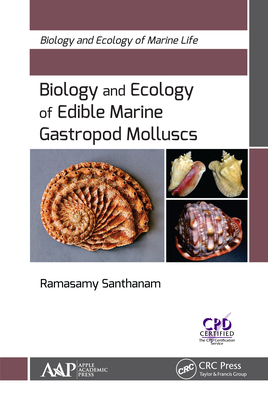
Biology and ecology of edible marine gastropod molluscs focuses exclusively on sea snails or gastropods, which are popular food items and occupy an important role as commercial shell craft industry. Familiar examples include conchs (highly sought after due to their mild flavor) as well as escargot, abalone, and periwinkle snails.
Many species of marine bivalves are also commercially important for other purposes, such as pearls and shells for jewelry and decoration. The volume, part of the biology and ecology of marine life book series, will be of great use to students and researchers in fisheries science, marine biology, aquatic biology, and zoology.
Sea urchins are a major component of marine environments found throughout the world's oceans. A major model for research in developmental biology, they are also of major economic importance in many regions and interest in their management and aquaculture has increased greatly in recent years.
High concentrations of metals are accumulated by edible marine resources, affecting human health.
Manado tua volcanic island where the first indonesian coelacanth was discovered in 1997. What is marine ecology? marine ecology is the scientific study of marine-life habitat, populations, and interactions among organisms and the surrounding environment including their abiotic (non-living physical and chemical factors that affect the ability of organisms to survive and reproduce) and biotic.
Buccinanops globulosus is an edible marine gastropod that is being captured by artisanal fishermen without management regulations.
Book description this comprehensive volume provides a plethora of first-hand information on the diversity, biology, and ecology of edible marine bivalve molluscs.
Post Your Comments: