Read Online Thyme Essential Oil: Your Definitive Guide to the Applications, Benefits, Recipes, References & Research on Thyme Oil (Aromatherapy, Essential Oils, Detox, Lavender Oil, Coconut Oil, Tea Tree Oil) - SJ Jenkins | PDF
Related searches:
10 of the Best Essential Oils - Facty Health
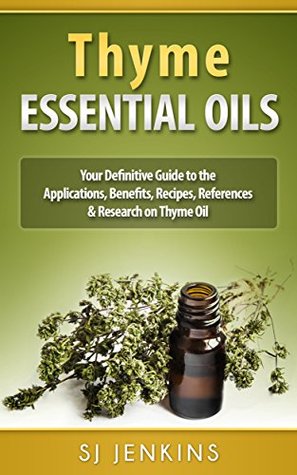
Thyme Essential Oil: Your Definitive Guide to the Applications, Benefits, Recipes, References & Research on Thyme Oil (Aromatherapy, Essential Oils, Detox, Lavender Oil, Coconut Oil, Tea Tree Oil)
Amazon.com: Thyme Essential Oil: Your Definitive Guide to the
Thyme Essential Oil: The Definitive Guide - Everyday Essentials
Thyme Essential Oil - The Complete Uses and Benefits Guide
The Ultimate Guide to Essential Oils and a Rockin' Immune System
The Best Essential Oils for Every Need and How to Use Them Vogue
The antimicrobial effect of thyme essential oil, nisin, and their
Thyme Essential Oil - Need the best Aromatherapy?
3918 2808 4986 2502 1102 4140 994 330 1788 1544 3149 3643 4721 1266 1167 2018 3146 1865 946 539 3723 4801 1591 450 1565 4902 4421 2566
Its antibacterial and antifungal properties help relieve not just coughs but congestion and colds in general. One way to use thyme essential oil for a stuffy nose or cough is to put a few drops in the bathtub before getting in the bath.
Thyme essential oil may be used to supplement your wellness or add flavor to your cooking.
Thyme essential oil: the definitive guide thyme is a popular herb known botanically as thymus vulgaris that is widely used to flavor food. Thyme essential oil is extracted from the fresh flowers and leaves of the plant through steam distillation and holds beneficial health properties and has many uses that go beyond the dinner table.
Used in many homemade cleaners, essential oils have scented superpowers that do more than hide vinegar's stench. Read on for 8 at-home uses! by caylin harris photo: shutterstock. Com while there are plenty of products on the market that prom.
With a specific chemistry that supports a healthy immune system when used internally,* thyme oil is a potent, warm essential oil that holds powerful cleansing.
Organic thyme essential oil is steam distilled from the aerial portion of thymus vulgaris.
The principal component of thymus vulgaris extract and essential oil is thymol, which gives it its antiseptic properties. For this reason, thyme oil is commonly used in mouthwashes and toothpastes. Thymol also kills fungi and is commercially added to hand sanitizers and antifungal creams.
The benefits of essential oil remedies from ancient egypt to modern times, essential oils have been used to treat anxiety, aches, and even acne. Check out these 14 picks and learn how to harness their healing powers.
Aug 21, 2019 essential oils should always be mixed with a carrier oil prior to testing. Don't use an undiluted essential oil on your scalp or on any area of skin.
Interested in learning how to use essential oils at home? whether you're inhaling the scent or applying the oil topically, here are some tips.
1 авг 2018 essential oils are a natural, safe, non-toxic way to clean your home. This antibacterial, antimicrobial, antifungal, antiviral mixture is the ultimate solution for thyme oil is not only antiseptic and antibacterial,.
Nov 4, 2020 “essential oils are a natural, holistic way to address so many of the wellness issues that stem from the stress in our lives,” gillerman says, adding.
For centuries thyme has been used to support the nervous, digestive, respiratory, and immune systems. Today, thyme essential oil is praised for its antibacterial, antispasmodic, antiseptic, hypertensive, and calming properties.
Thyme essential oil is a yellow and aromatic substance distillate from the aerial parts of thymus vulgaris plant. The different ecotypes of thyme are characterized by their very penetrating and concentrated aroma, which is mainly spicy, fresh and balsamic.
Thyme essential oil is cleansing and can be used on the skin to purify and promote healthy-looking skin. You might also try applying thyme to the spine or bottoms of the feet. Be aware that due to the high thymol content, thyme oil should be diluted before topical application to minimize any skin sensitivity.
Another way to use this essential oil is by using a diffuser which will fill your bedroom with the scent of thyme. Inhalation therapy is a popular delivery method for essential oils such as thyme. Does thyme really help with snoring? will using thyme oil really help with snoring or is it really just snake oil?.
It can be used to repel fleas, lice, bed bugs, beetles, and moths. To use as an insecticide, add 10–12 drops of thyme essential oil to a spray bottle filled with water. Shake well, and spray onto affected areas such as bed linens, wool, and kitchen surfaces.
Although essential oils have long been used in traditional and alternative health practices, in recent years researchers have also begun to study their purported health benefits. Essential oils are aromatic, concentrated plant extracts that.
Because thyme essential oil has a cleansing and purifying effect on skin, it is an ideal oil for skin care. To purify and promote healthy-looking skin, dilute one to two drops of thyme essential oil with doterra fractionated coconut oil and then apply the solution to targeted areas on the skin.
That’s why fresh thyme makes it a point to offer such a wide selection—nearly 100 different essential oils in all— to improve your health and lift your spirit. Testing 1, 2, 3 when you buy a fresh thyme body care product, you’re getting something that meets the highest quality standards—thanks to rigorous testing.
How to use aromatherapy and essential oils to better your body and mind learn how to harness the healing powers of these special scents i am exhausted—i need to go to sleep this second, i thought.
To help you sift through the essential oil shelf, we rounded up a list of best oils, along with specific recommendations and how to shop for what you want.
Jul 28, 2017 a 2011 research study carried out by researchers from the medical university of lodz in poland found that the oil from the thyme plant exhibited.
Thyme essential oil uses thyme and thyme linalol can be used interchangeably in most cases. Since thyme is higher in thymol than its linalol counterpart, it is a stronger oil that should only be used in small amounts and for short times.
The essential oils that we use today are far from a novelty in the world of medicine. Depending on your condition, sometimes, nature holds all the answers you might need.
Thyme essential oil contains 20 percent to 54 percent thymol, which gives thyme oil its antiseptic properties. For this reason, thyme oil is commonly used in mouthwashes and toothpastes. It effectively kills germs and infections in the mouth and protects the teeth from plaque and decay.
Post Your Comments: