Full Download An Honest History of Shotokan Karate!: Seeking the Way, Parting the Clouds! - James David Raymond James | PDF
Related searches:
Uncovering the True History of Shotokan Karate
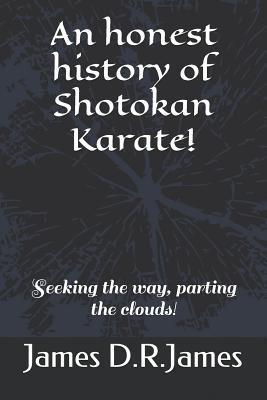
An Honest History of Shotokan Karate!: Seeking the Way, Parting the Clouds!
The Origin of Shotokan: History of Shotokan Part 1 ART OF ONE
Surprising Revelations About the History of Shotokan Style Karate
Shotokan Karate of America – The original nonprofit
The Origins of Karate - English Shotokan Academy
Shotokan Karate: The 4 Strengths of the World's Most Popular
The History of Shotokan Karate Practical Karate
The Complete Beginner’s Guide to Shotokan Karate – Global
The Split Of Shotokan Shotoshinkai Karate-Do Association in
The Evolution of Taekwondo from Japanese Karate
1495 462 3576 3731 2068 4857 197 4251 3251 4786 1497 3102 151 1977 363 1623 4353 3366 535 4983 1511 316 3318 1417 3266 2667 4600 2429 2602 2315 98 2110 4038 1334 2471
Thousands of japanese from many walks of life began to study the style of karate taught by funakoshi, which came to be known as shotokan. In 1955 funakoshi and his senior shotokan students formed the japan karate association, with funakoshi as chief instructor.
Ohshima came to the united states and was the first person to teach karate to the us public; in 1957 he made the first public demonstration of traditional shotokan karate in the united states, at the annual nisei week festival in los angeles.
History of shotokan karate karate was introduced to japan in 1922 by an okinawan schoolteacher gichin funakoshi, he is widely considered as the 'father' of modern karate. He was born in 1868 and learnt karate from two highly respected okinawan masters of the art, yasutsune (ankoh) itosu and yasutsune (anko) azato.
Masatoshi nakayama spreads shotokan around the world masatoshi nakayama(1913-1987) was a direct student of gichin funakoshi. Funakoshi, nakayama and some other prominent funakoshi students formed the japan karate association(jka) in november 1949. By 1955, the first jka headquarters dojo had been built at yotsuya in tokyo.
Ska national is a nonprofit organization that has been teaching traditional karate-do in the united states since 1956. Ska was founded and is still led by tsutomu ohshima who is also recognized as the chief instructor of many other ska-affiliated national shotokan organizations worldwide.
Yoshitaka taught at the shotokan dojo until 1944/45, but by 1945 he was seriously ill and much of the teaching was carried out by genshin hironishi. Without a doubt, from 1932/33 until 1945, yoshitaka had an enormous influence on the way shotokan karate developed.
Shotokan karate is a way for an individual to realize greater potential and expand the limits of that individual's physical and mental capabilities. Karate in an excellent, time-proven method of personal development. Shotokan karate is a traditional japanese martial art founded by master gichin funakoshi.
Prominent karate masters, funakoshi, mijagi and mabuni were instrumental in developing the three main styles: shotokan, shito ryu and goju ryu, from which all others originate. Yoshitaka funakoshi, son of gichin funakoshi, brought later changes, thereby forming shotokan karate into what is recognisable today.
Shotokan karate is one of the oldest and most popular styles of karate. It was developed at the beginning of the twentieth century by master gichin funakoshi (1868-1957) on the island of okinawa. Funakoshi trained in both of the popular styles of karate that were popular in okinawa at the time: shorei-ryu, and shorin.
Shotokan karate is usually represented by the tora no maki, a symbol found on the book's cover gichin funakoshi karate-do kyohan. This design was painted by hoan kosugi, a friend and student of gichin funakoshi, renowned japanese artist and president of tabata popular club.
The establishment of the jka lead the way to the spread of shotokan karate throughout the world. Master masatoshi nakayama, one of funakoshi’s greatest students, succeeded him as the headmaster of the jka and during his time there he further developed shotokan, based on his own research, into the style we know today.
However, the documented history of taekwondo is quite different. By focusing solely on what can be documented, the following essay links the origins of taekwondo to 20th century shotokan, shudokan, and shito-ryu karate, and shows how the revised history was developed to support south korean nationalism.
Shotokan karate is a form of unarmed combat - karate means empty hand. However the karate-ka also uses their feet, knees and elbows. Karate as a martial art was cultivated in the island of okinawa, south of mainland japan.
The great karate master gichin funakoshi was a key pioneer in the development of modern karate. In fact, he was the prime mover in bringing traditional okinawan karate to japan.
Shotokan is a modern name given to the style of karate that developed from the okinawan systems, and which was introduced to japan in 1922 by gichin.
Almost every book written about karate contains a short history, which tells the reader the same thing: there is very, very little information on the early development of the martial arts.
History of shotokan gichin funakoshi is known today as the father of modern day karate. As a boy he studied karate under two masters, master itosu and master azato.
Karate practice consists of three major types of exercise: kihon (basics) the elementary building blocks of karate are: stance, posture, coordinated body movement and concentration upon the opponent. If the basics are strong, it is easy to develop more advanced techniques.
How it was originally developed by gichin funakoshi and refined by his student masatoshi nakayama.
Shotokan karate is a type of karate founded by gichin funakoshi, a japanese martial arts master who was born in okinawa in 1868.
History of shotokan although karate is considered to be a japanese martial art it roots can be traced back over 2000 years to india. It is believed that during the 6th century the indian monk bodhidharma travelled to china to teach zen buddhism and whilst there settled in a shaolin temple.
Early history of shotokan gichin funakoshi was born circa 1868 in shuri, okinawa, japan. While in elementary school, he became friends with the son of martial artist anko asato and started karate training with asato. Later, funakoshi would train under shorin-ryu master anko itosu.
Shotokan (松濤館, shōtōkan) is a style of karate, developed from various martial arts by gichin meeting of hands), is the practical application of kihon and kata to real opponents.
Karate is the world’s most popular martial art, and shotokan is karate’s most popular style. Begun by an unassuming okinawan poet and philosopher, shotokan has grown into an immensely popular art practiced by millions the world over.
The introduction of karate training in the okinawan school system was the first step toward moderization of an art with ancient roots that can be traced back through china to india. Bodidharma so the legend goes, bodidharma began his life as a member of the privileged kshatriya warrior class in india.
The history of shotokan karate okinawa-te or tode was the collective term for three branches of self-defense – shuri-te, naha-te and tomari-te, each of which was named after the okinawan towns wherein they were developed. As time elapsed, these three branches of self-defense developed into two main styles of karate – shorei-ryu and shorin-ryu.
A brief history of shotokan karate the 4th september 2006 signifies a great deal to us, the team. It is the day when we begin a project that will hopefully live long into the future, and have a resounding affect on all who get involved. Today, in our small way, we are doing something positive for the world of karate.
Modern karate was first demonstrated in japan in 1922 by gichin funakoshi, the founder of modern karate. However the history of karate stretches further back than this to the ryukyu islands off the coast of japan, today known as okinawa. In these islands the predecessor of modern karate okinawa-te was performed.
Shotokan was developed by master gichin funakoshi, a school teacher from okinawa, and his son, gigo funakoshi.
Karate in malta officially commenced way back in 1972 under the patronage of the 41st commando group stationed on the island. The style practised was wado ryu and the first instructor was edge carter. In 1979, the style of karate practiced in malta was changed to shotokan and subsequently, the malta karate association was formed.
Shotokan-style karate was developed by master gichin funakoshi. The martial art school known as shotokan has a long and rich history dating back 18th.
History of shotokan karate the history of martial arts is shrouded in mystery, legend and secrecy. It is generally believed that the first ever form of a martial art was created over 1000 years ago by a monk named bodhidharma.
Gichin funakoshi created shotokan karate as an art of self-defense to effectively help you repel an attacker, not a means of sporting competition. Shotokan karate is suitable for self-defense as it allows you to be better prepared for an emergency.
It would be the melding of these two styles that would one day become shotokan karate. In 1917 he was asked to perform his martial art at a physical education exhibition sponsored by the ministry of education.
At kokoro karate we teach traditional shotokan karate, which unlike many westernised versions of karate remains rooted in a strong martial arts tradition. It is more than just the mastering of defensive techniques, the training is both mentally and physically challenging, and teaches respect, discipline, confidence and self control.
Shotokan is a modern name given to the style of karate that developed from the okinawan systems, and which was introduced to japan in 1922 by gichin funakoshi, the father of modern karate.
Please find below a brief history on how the style of shotokan karate developed: stories say that bodhidharma (circa 500ad) from india, spread his form of fighting to china, and the shao lin monks were taught it as physical training to build strength, endurance for the search of self-perfection and also taught for the purpose of looking after themselves.
Shotokan karate's founder, gichin funakoshi, was born in 1868 in okinawa (an island south of mainland japan). In his childhood, he studied karate under two masters (master itosu and master azato). In this period, the transfer of knowledge of a martial art was more secretive and not a public affair.
A short reminder to shotokan karate history: karate means “empty hand”, and karate-do translates to “the way of karate”. It was renamed from “to-te jutsu” (the art of the chinese hand) to “karate-do”.
From here, shotokan karate was established under the guidance of master gichin funakoshi. From shotokan, other styles of karate have evolved including wado ryu, chito ryu and shotokai.
History of shotokan karate shotokan (松濤館流, shōtōkan-ryū� ) is a style of karate� developed from various martial arts by gichin funakoshi (1868–1957) and his son gigo (yoshitaka) funakoshi (1906–1945).
Shotokan comes from shoto which was gichin funakoshi’s pen name and kan which is generally accepted as meaning hall. The name comes from funakoshi’s dojo in tokyo (hall of shoto). After the second world war the karate instructors in japan formed the japan karate association (jka) in an effort to standardise teaching.
Also, abe sense split from asai sensei and formed his own organization japan shotokan karate association (jska). The unending cycle of splits among jkas and former jkas continues. The japan karate association is one of, if not, the most split-prone organization in the world.
In 1922, master gichin funakoshi, the founder of shotokan karate, introduced karate to mainland japan during the first national athletic exhibition held in tokyo. The demonstration turned out to be a great success due to the inspiring personality of master funakoshi.
Shotokan karate is one of the oldest and most popular styles of karate. It was developed at the beginning of the twentieth century by master gichin funakoshi (1868-1957) on the island of okinawa. Funakoshi trained in both of the popular styles of karate that were popular in okinawa at the time: shorei-ryu, and shorin-ryu.
Shotokan (松濤館, shōtōkan) is a style of karate, developed from various martial arts by gichin funakoshi (1868–1957) and his son gigo (yoshitaka) funakoshi (1906–1945).
Shotokan karate-do: history, philosophy and instruction history� karate was introduced to japan in 1922 by an okinawan schoolteacher by the name of gichin funakoshi. Gichin funakoshi is widely considered as the father of modern karate.
Master gichin funakoshi, the founder of modern shotokan karate, wrote the dojo and niju kuns not only as a guide to practicing karate, but also as a guide to everyday life. He viewed karate as a vehicle to spread peace and harmony worldwide.
Complete shotokan karate is actually two books in one: a thorough history of japanese karate in asia and the united states, and an instructional manual for students of the shotokan method. Part one outlines the history of karate from its probable origins in india (or perhaps greece), and its transmission from china through okinawa to japan.
Jun 2, 2020 why is shotokan the most definitive style of karate in the world? in this episode we're going to explore the origins of shotokan, and how gichin.
A short history of shotokan karate master gichin funakoshi is widely considered the “father” of modern day karate. He was born in the shuri prefecture in okinawa in 1868 and at the age of 11 began to study karate under two of okinawa’s top masters, anko itosu and yasutsune azato.
Post Your Comments: