Read The Underground Railroad from Slavery to Freedom - William M. Mitchell | PDF
Related searches:
The Underground Railroad from Slavery to Freedom - ebay.com
The Underground Railroad from Slavery to Freedom: A
The Underground Railroad: Escape From Slavery Scholastic
The Project Gutenberg eBook of The Underground Railroad from
To Canada and Back Again: Immigration from the United States on
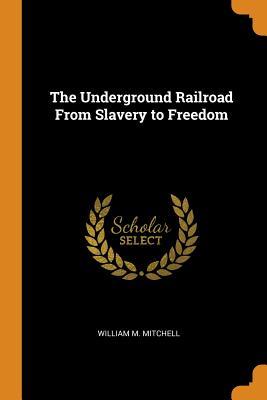
The underground railroad from slavery to freedom
The Underground Railroad Escape from Slavery - BrightHub
The Saltwater Underground Railroad Moved Slaves From Florida
4300 2032 972 2261 3986 1708 2052 2894 301 4628 612 3904 4878 2437 3377 2210 3160 757 1262 1556 4111 4138 3574 2673 1471 1633 320 4280 3669 864 3815 3888 2573 4115 1542 4795 3242 187 1892
From earliest colonial times fugitive slaves helped to make slavery inconvenient and expensive. So long as slavery was general, every slaveholder in every colony.
The novel the underground railroad opens with the story of ajarry, a young woman who is captured by slave traders on the african continent and sold in america. Separated from her family and reduced to her value on the auction block, ajarry ends up in the southern state of georgia on the randall tobacco plantation.
A young woman named cora makes an amazing discovery during her attempt to break free from slavery in the deep south.
The history of slavery in canada is often framed solely as the end of the underground railroad.
The underground railroad was used during the 1840’s by many african americans. The underground railroad was a series of hidden underground tunnels and safe houses for african americans. The reason that the railroad was created and existed was because at this time, the slaves (african americans) were treated extremely badly by their owners.
Slavery in america began as a part of a long history of international trade in goods and people. In one of the largest forced migrations in history, millions of africans crossed the atlantic from the 16th to the 19th centuries through the horrific middle passage.
) paves the way for permanent eradication of child sex trafficking through:.
The underground railroad is a novel against forgetting, and it arrives at a moment when the country's collective memory about slavery and race hatred seems to be fading.
The underground railroad was a system of safe houses run by abolitionists in both free and slave states, as well as in canada.
Philadelphia was this reverse underground railroad’s northern terminus. The city’s proximity to the mason-dixon line, which divided the mostly free north from the expanding slave south, made its many free black residents attractive targets for professional people-snatchers.
The underground railroad was a network of safe houses operated by anti-slavery activists to help fugitives from the south find their way north to freedom. Fugitives were called “passengers,” safe houses were “stations,” and the people who harbored the fugitives were “stationmasters.
Above: a slave's story told at the fair at new boston african-americans helped make the underground railroad work. The most important aspect of the underground railroad was the fact that escaping slaves made the railroad possible.
During the era of slavery, the underground railroad was a network of routes, places, and people that helped enslaved people in the american south escape to the north. The name “underground railroad” was used metaphorically, not literally. It was not an actual railroad, but it served the same purpose—it transported people long distances.
Quakers and the underground railroad: myths and realities the transition from slavery to freedom, particularly within a society where slavery is both legal.
To regionalize slavery, to draw definite borders around so fluid an institution only serves to limit a broader, perhaps borderless conceptualization of slavery, freedom seekers, and the underground railroad. The terms “slave master” and “slave owner” refer to those individuals who own slaves and were popular titles to use from the 17th.
The underground railroad was actually a network of secret passageways and safe houses that were used in the nineteenth century by african american slaves in the united states who were escaping from slavery. By 1850, at least 100,000 slaves had used the underground railroad as their route to freedom.
The underground railroad rekindles the discussion and study of slavery. The harsh real click here to watch a video review of this book on my channel, from beginning to bookend� cora is a slave at a georgia plantation in the antebellum south.
The underground railroad was created in the early 1700s for the purpose of freeing slaves into canada. “agents” (or “shepherds”) would infiltrate slave compounds and tell them about how to escape. Guides, known as “conductors,” were ones who lead slaves on the underground railroad taking them.
Aug 8, 2016 as a child, whitehead was surprised to learn that escaped slaves did not ride an actual subway.
Racing across unforgiving country, fugitives from slavery faced a gauntlet of wilderness, slave hunters, and lawmen. Historians are still unearthing tragic and triumphant tales of texas freedom seekers, but it’s clear the underground railroad’s reputation for coordinated networks of abolitionists hiding people in barns doesn’t square with.
In freedom: the underground railroad, players are working to build up the strength of the abolitionist movement through the use of notable figures and pivotal events. By raising support for the cause and moving slaves to freedom in canada, the minds of americans can be changed and the institution of slavery can be brought down.
For thousands of escaped slaves in the 18th and 19th centuries, the underground railroad represented hope for a new life.
Throughout his years as an underground railroad station master, ruggles distributed countless anti-slavery publications and advocated for “practical abolitionism,” or the idea that each person.
The underground railroad—the resistance to enslavement through escape and flight, through the end of the civil war—refers to the efforts of enslaved african americans to gain their freedom by escaping bondage.
The underground railroad, developed in the early 19th century, was a system of safe havens designed to help fugitive slaves escape to freedom.
Mar 13, 2018 shorter routes led south from florida to cuba or from texas to mexico. The underground railroad also included the smuggling of fugitive slaves.
At its peak, nearly 1,000 enslaved people per year escaped from slave-holding states using the underground railroad – more than 5,000 court cases for escaped enslaved were recorded – many fewer than the natural increase of the enslaved population.
“the underground railroad is a term for the covert network of people and places that assisted fugitive slaves as they escaped from slavery in the south.
By 1840 the new york times noted: “[the term underground railroad] designate[s] the organized arrangements made in various sections of the country, to aid fugitives from slavery. The underground railroad operated using many of the same terms as an actual railroad.
The underground railroad was a term used for a system of routes and hideouts used by black slaves, in the 1800s, to escape slavery in the southern united states. It also refers to the people who helped escaped slaves along these routes.
Freed slaves would find sanctuary in canada, as well as some northern states that abolished slavery.
Believed to have operated between 1821 and 1861, the saltwater underground railroad refers to the coastal escape route followed by fugitive slaves into the british-controlled bahamas. Fugitives from southern slave states sought refuge on south florida's beaches.
Discover real-life locations from the underground railroad that helped transport thousands of american slaves to freedom.
Oct 31, 2019 rather, her work as an underground railroad conductor was part of a influenced african american women's determination to flee slavery.
In 1850, congress passed the fugitive slave law that levied heavy fines on anyone guilty of helping slaves to escape.
The underground railroad was a network of routes that slaves used to escape to the free states.
The underground railroad - underground railroad slavery stock illustrations fugitive slaves fleeing from maryland to delaware by way of the 'underground railroad', 1850-1851.
Supporters of the underground railroad used words railroad conductors employed everyday to create their own code as secret language in order to help slaves escape. Railroad language was chosen because the railroad was an emerging form of transportation and its communication language was not widespread.
About this activity with scholastic’s the underground railroad: escape from slavery activity (grades 4–12), students travel back to 1860 to follow a young slave as he flees a kentucky plantation for canada along the underground railroad. The interactive slideshow (with audio) lets students read a short article at each stop.
In 1899, harriet tubman purchased a home in auburn, new york. Tubman, after escaping slavery, lead, on 15 trips to the south, hundreds of blacks to freedom, via the underground railroad, in the north and canada.
Although slavery was illegal in ohio, some people still opposed the ending of slavery. These people feared that former slaves would move to the state, take jobs away from the white population, and demand equal rights with whites. Many of these people vehemently opposed the underground railroad.
Colson whitehead’s the underground railroad tells the story of cora, a runaway slave who travels from state to state on railroad cars physically under the ground of the american south. Persuaded by a fellow slave named caesar, cora escapes from the georgia plantation where she was born and travels north, riding in the boxcar of a secret.
Ket looks at the fugitive slave movement in the one-hour documentary.
For enslaved people in texas, refuge in canada must have seemed impossibly far away.
During the 1800s, many fugitive slaves came through the buffalo niagara region, crossing over to canada—and to freedom. They used the suspension bridge and the cataract house ferry in niagara falls.
It is a beautiful and tragic mural depicting the insanity of slavery. It is also an homage to the brave vermonters of all races who fought against slavery and supported the underground railroad.
The lone exception, of course, is the 780-page book underground railroad records, published in 1870 by william still, at first a negro clerk in the philadelphia anti-slavery society, but later virtually central director of the movement in southeast pennsylvania.
London: william tweedie; manchester: william bremner; edinburgh:.
Participants in the underground railroad were dedicated to the cause of ending slavery and assisting fugitives in their escape to freedom, and came up with creative ways to accomplish their mission. Communication involved special signals, whistles, passwords, hushed conversations, watchwords, and cryptic written messages.
It operated before the civil war (1861-1865) ended slavery in the united states. The underground railroad provided hiding places, food, and often transportation.
Feb 18, 2015 the 2013 movie 12 years a slave brought the darkest era of america's history into the forefront of the national consciousness.
In one canadian television news segment wrestling with the implications for a commonwealth country, a panelist fell back on one of the more common refrains when it comes to canada’s history with slavery: its role as the destination of the underground railroad for enslaved people in the united states.
Jan 20, 2015 'underground railroad' should be taken somewhat literally, toward the end anyway.
The underground railroad (1850-1860) was an intricate network of people, safe places, and communities that were connected by land, rail, and maritime routes. It was developed by abolitionists and slaves as a means of escaping the harsh conditions in which african americans were forced to live, and ultimately to assist them in gaining their freedom.
Refugees from slavery fled the south across the ohio river to the north via the underground railroad, an informal network of routes leading the slaves north to the free states. This vast system stretched from maine to nebraska and kansas.
Josiah henson: community leader and ‘conductor’ on the underground railroad. He was born into slavery, in port tobacco, charles county, maryland. Henson himself, his parents, siblings and family endured years of brutal, vicious, cruel treatment.
In this ourstory module students will learn about slavery, slave life and the underground railroad.
Underground railroad, in the united states, a system existing in the northern states before the civil war by which escaped slaves from the south were secretly helped by sympathetic northerners, in defiance of the fugitive slave acts, to reach places of safety in the north or in canada.
The underground railroad was a network of people, african american as well as white, offering shelter and aid to escaped enslaved people from the south.
Feb 12, 2021 this 1742 mansion belonged to judge richard peters, who purchased slaves in order to free them and hid fugitives in his attic.
The underground railroad was created in the early 1700s for the purpose of freeing slaves into canada. “agents” (or “shepherds”) would infiltrate slave compounds and tell them about how to escape. Guides, known as “conductors,” were ones who lead slaves on the underground railroad taking them to “stations” or “way stations.
Wilbur siebert authors the underground railroad from slavery to freedom, the first extensive cataloguing of underground railroad safe-houses, routes and people. March 10, 1913 harriet tubman, national heroine, last living major figure of the underground railroad, dies at her home in auburn, new york.
In defiance of the fugitive slave act, these individuals provided freedom seekers with food and a place to sleep.
The fugitive slave act of 1850 permitted the recapture and extradition of escaped slaves with the assistance of federal marshals. Threatened by the apparent success of the underground railroad, the act levied fines and prison sentences on individuals who helped runaways.
The underground railroad physically resisted the repressive laws that held slaves in bondage.
The underground railroad was the network used by enslave d black americans to obtain their freedom in the 30 years before the civil war (1860-1865). The “railroad” used many routes from states in the south, which supported slavery, to “free” states in the north and canada.
The underground railroad —the resistance to enslavement through escape and flight, through the end of the civil war—refers to the efforts of enslaved african americans to gain their freedom by escaping bondage.
Given the geography of american slavery, kentucky became central to the underground railroad as the key border state in the trans-appalachian west,—and the ohio river became a veritable “river jordan” for black freedom seekers.
Harriet tubman escaped slavery on maryland’s eastern shore in 1849. She then returned there multiple times over the next decade, risking her life to bring others to freedom as a renowned conductor of the underground railroad.
Whereas under slavery black people were forced to engage in labor and construction from which they did not personally benefit, in building the underground railroad—in both the literal and metaphorical sense—black people were able to achieve ownership of their work.
The underground railroad also included the smuggling of fugitive slaves onto ships that carried them to ports in the north or outside the united states. The success of the underground railroad rested on the cooperation of former runaway slaves, free-born blacks, native americans, and white and black abolitionists who helped guide runaway slaves.
Slavery was a despicable period of time in history, but the underground railroad was a major breakthrough in helping to free african american slaves during the 19th century. Despite its misleading name, the underground railroad was not underground nor a railroad.
It was developed by abolitionists and slaves as a means of escaping the harsh conditions in which african americans were forced to live, and ultimately to assist.
As the underground railroad helped guide fugitive slaves to freedom, what dangers and challenges confronted both the fugitives and those who helped them?.
Mar 15, 2015 although only a few thousand people, at most, escaped slavery each year— nearly all from states bordering the free north—their flight appeared.
The underground railroad: escape from slavery online activity presents an accurate and personal view of the brutal practice of slavery, a concept that may be difficult for young students.
Historians have compared lists of prominent hotel guests with ads placed by people looking for escaped slaves to confirm the hotel's place in abolitionist history.
Post Your Comments: