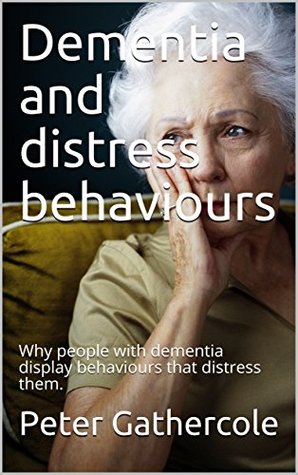
Read Dementia and distress behaviours: Why people with dementia display behaviours that causes them distress (0001) - Peter Gathercole | ePub
Related searches:
Dementia and distress behaviours: Why people with dementia
Dementia and distress behaviours: Why people with dementia display behaviours that causes them distress (0001)
Understanding why a person with dementia may display distress
Dementia and distress behaviours Quotes by Peter Gathercole
Communicating and interacting with people with dementia INSIGHT
Dementia Causes and Symptoms
Dementia Symptoms, Types, and Causes - HelpGuide.org
Understanding stress and distress in dementia
Behavior, Mood & Emotional Challenges with Dementia and
4 Steps to Calm Stress and Distress in Dementia to Make Care
Pain, agitation, and behavioural problems in people with dem : PAIN
How to cope with aggressive dementia behaviours - SuperCarers
Dementia and Aggressive Behavior: Causes and Prevention Tips
Dementia and repetitive behavior: Tips to cope with
Step 3 Behaviours that challenge us Dementia Partnerships
How to Deal with Dementia Behavior Problems: 19 Do’s and Don’ts
Why Do People with Dementia Suddenly Become Aggressive
Dementia - Symptoms and causes - Mayo Clinic
Treating disruptive behavior in people with dementia
Memory Loss and Dementia Causes and Treatment Patient
Why people with dementia don't all behave the same
Agitated behaviours Dementia Australia
Anxious behaviours Dementia Australia
10 Strategies to Calm Agitation and Aggression Due to Dementia
14 Ways to Handle Screaming and Crying in Dementia – DailyCaring
Responding to Behaviours Due to Dementia
Reducing Behaviours Of Concern - Dementia
Helping someone with dementia who is distressed or behaving
10 Methods to Calm Agitation and Aggression in Older Adults with
Behaviour problems and assessment in dementia Nursing Times
Aggressive Behavior in Alzheimer’s Disease and Dementia
Crying and calling out in Dementia – KKL Advice & Solutions
Understanding and Responding to Dementia Related Behavior
Study Protocol: The Behaviour and Pain in Dementia Study (BePAID
Managing challenging behaviours in dementia SMJ
Behavioural and psychological symptoms in dementia and the
Dementia Patients and Grief - Pathways Home Health and Hospice
Screaming and Wailing in Dementia Patients (Part 1)
Managing challenging behaviour in older adults with dementia
Managing Behavioral and Psychological Symptoms of Dementia
How to Cope with Difficult Dementia Behaviors
Steps to better understanding resistant behaviours and the
Dementia ASPE
Dementia HowStuffWorks
Dementia New Life Ticket
10 Symptoms of Dementia - Facty Health
Signs of early dementia - Harvard Health
The Complete Guide to Challenging Behaviors in Dementia
Understanding Dementia
Dementia Support Forum - Ask a Question. Get Advice.
Dementia - behaviour changes - Better Health Channel
The Seven Stages Of Dementia
Changes in behaviour - Dementia Pathways
Dementia Mental Health Foundation
Dementia towards the end of life - Marie Curie
Advanced Dementia Care: Demystifying Behaviors, Addressing Pain
Understanding changes in behaviour - Dementia UK
Understanding the Experience of Distressed Behaviour in Dementia
Dementia Capable Care: Behaviors CPI
Changes in mood and behaviour Alzheimer Society of Canada
How Dementia Impacts Behavior Dementia Care Notes
Non-pharmacologic Interventions for Agitation and Aggression in
Dementia: behavioural and psychological symptoms - MyDr.com.au
Understanding and responding to distressed behaviour
Alzheimer's Care Challenges: Handling Dementia & Anger
How do care home staff understand, manage and respond to
Dementia Support Forum - Seek Advice. Ask a Question.
Repetition in Dementia: Why it Happens and How to Handle it
5 Types of Medication Used to Treat Difficult Dementia Behaviors
Dementia Behavior Can Seem Like Manipulation - AgingCare.com
Caregiver’s Guide to Understanding Dementia Behaviors
Repetitive Behaviors - UCLA Alzheimer's and Dementa Care
Vocally Disruptive Behaviour - Dementia Management Strategy
Confabulation in Dementia Can Feel Like Hurtful Lies
End Stage Of Dementia
Understanding the Challenging Behaviors of Dementia
Responding to the Wandering and Exit-seeking Behaviors of
237 dementia awareness answers Clarissa Parkes - Academia.edu
Dementia - WHO
Dementia-friendly interventions to improve the care of people
1076 1587 665 1643 172 4698 4455 2825 3675 2779 1057 4058 4803 615 2860 3002 934 2932 1958 4854 4399 4987 697 16 4695 4052 4378 1299 4326
More serious behaviours, such as physical aggression, occur in about 25 per cent of people with dementia. These behaviours usually increase as cognition declines and are most prevalent in the moderate to severe stages. These behaviours can affect the resident with dementia and his or her family, other residents and their families, and staff.
Dementia is one of the major causes of disability and dependency among older people worldwide. Dementia has a physical, psychological, social, and economic impact, not only on people with dementia, but also on their carers, families and society at large.
Dementia can make a person exhibit challenging behaviors and psychological symptoms that are upsetting for everyone involved. Although we can’t prevent these behaviors or changes, there are ways to better understand and deal with them. Read our tips for handling the challenging behaviors associated with dementia.
You may need to try some things for several weeks before you see improvement.
Insomnia and sleeplessness, also known as sundowning, are common behaviors in people with dementia. It occurs due to a combination of factors and can be worsened by being exhausted after a day’s events. Tips on how to handle sleeplessness and sundowning include: avoid giving your loved one alcohol, caffeine or sugar.
Try to understand why the person is repeating the question and respond to any underlying feelings. Please refer to: the ten top tips for dealing with people who have dementia, and; communication strategies. Increase social contact and meaningful activity: establish formal activity periods outside of the mandatory nursing care.
Buy dementia and distress behaviours: why people with dementia display behaviours that causes them distress by gathercole rnmh, peter (isbn: 9781521340608) from amazon's book store.
Relatives, caregivers, spouses, siblings, children and anyone close to a person who has dementia need to know how to deal with behavioral problems that surface because of the illness. Examples of dementia problems may include aggressiveness, violence and oppositional behaviors.
Ongoing agitation or difficult behaviors may also be a sign that the medication isn’t effective for your relative. So it may also be reasonable to consider a change in medication. The best is to work closely with a doctor and a dementia behavior expert; some social workers and geriatric care managers are very good with dementia behaviors.
Common symptoms affect behavior, personality, thinking, judgment, and language and movement. Autopsy studies of the brains of people 80 and older who had dementia indicate that many had a combination of several causes, such as alzheimer's disease, vascular dementia and lewy body dementia.
Some people also become restless or display repetitive behaviour. This can be very distressing for both the person with dementia and their family and friends.
Dementia causes damage to the brain which makes it difficult to express thoughts and perform tasks. The brain can be overstimulated by background noises, clutter, crowds, or lights.
More than three million cases of dementia are diagnosed in the united states every year. However, there are many treatments available that can improve a patient's quality of life.
People in the middle stages also might experience some psychological behaviors such as hallucinations or paranoia, which can be very upsetting and distressing.
Nov 19, 2002 people with dementia may develop many behavioural problems. Or aggression may sometimes be the result of distress or discomfort, more.
Dementia can make it hard to develop and remember new routines. Your loved one might react to unfamiliar places and things with feelings of stress, confusion, and anger.
Staff described what they termed a person-centred approach as getting to know the person with dementia informing their responses to distress behaviours.
Additionally, people in the early stages of dementia usually have some awareness of the fact that they’re losing control of their faculties. Like a child, they may act out because they are desperate to exert some kind of control over their life and/or their surroundings.
One of the greatest challenges, when it comes to alzheimer’s disease and other dementias, is coping with difficult behaviors. These are symptoms beyond the chronic memory/thinking problems that are the hallmark of dementia. They include problems like: delusions, paranoid behaviors, or irrational beliefs.
People with dementia experience a range of psychological symptoms and behaviour changes.
Challenging behaviors occur in up to 90% of persons with dementia and are distressing for patients and caregivers alike.
Several steps can help someone cope with a diagnosis of mild cognitive impairment (mci). One is staying physically and mentally active, what can we help you find? enter search terms and tap the search button.
Loss of communication ability, access to memories and general functionality result in a range of emotions including anger, frustration and anxiety. Dementia also causes suspicion because situations become difficult to understand.
Loss of memory and intellectual function are frequent symptoms, but dementia can also cause changes in behaviour and mood. In fact, at least 90 per cent of people with the disorder will develop behavioural and psychological symptoms of dementia (bpsd).
Why do we need to look at palliative care through a dementia lens? • behavior is communication: it is not the dementia that causes the behavior, it is the dementia which prevents the person from expressing the cause of their distress • anti-psychotics may remove the person’sonly meansof.
People with dementia suffer physical and cognitive loss, which may cause them distress, so activating behaviour problems. However, some of these problems may have physical causes, for example, arthritis, and management should consider these possibilities.
Dementia is caused by damage to or loss of nerve cells and their connections in the brain. Depending on the area of the brain that's affected by the damage, dementia can affect people differently and cause different symptoms.
Meeting new long-term care regulatory requirements, a revamped and improved training curriculum focused on managing distress behaviors. Revised to prepare care partners to meet regulatory requirements and customer expectations for person-centered care, the newly transformed dementia capable care training program prepares you to educate your staff on how to prevent and de-escalate challenging.
The physical needs of people with dementia often get missed, not noticed or even mistaken for behaviours that are inappropriate, behaviours. Often unable to understand what the pain is or unable to communicate that they are in pain.
Learn what causes dementia and how to recognize the signs, symptoms, and different types. Millions rely on helpguide for guidance and support during difficult times. Will you help us keep it free for everyone? helpguide is an independently.
Jul 12, 2018 along with loss of memory and intellectual function, dementia can cause symptoms such as changes in behaviour and mood.
Communication and confrontation with others: sometimes, people with dementia unknowingly trigger uncooperative or aggressive behavior in others with dementia. For example, in a facility, someone who is confused may not realize that another person is also confused and become angry as to why she won't answer his question correctly.
Mar 1, 2021 it can be difficult to recognise when someone with dementia is nearing of character' such as becoming distressed or agitated, repetitive or aggressive.
Serious behaviours, such as physical aggression, occur in about 25 per cent of people with dementia. These behaviours usually increase as cognition declines and are most prevalent in the moderate to severe stages. These behaviours can affect the resident with dementia and his or her family, other residents and their families, and staff.
Behavioural and psychological symptoms of dementia (bpsd) such as agitation, aggression, calling out repeatedly, sleep-disturbance, wandering and apathy affect up to 90% of people with dementia, and are associated with poor outcomes such as distress in both the person with dementia and the carer, long-term hospital stay, misuse of medication and increased healthcare costs.
Each dementia patient experiences different symptoms at different times throughout the course of their condition. Since alzheimer’s disease and other forms of dementia do not typically progress in a neat and predictable pattern, it is important to understand that new behaviors like confabulation and wandering often come and go without warning.
While angry or aggressive behavior can sometimes seem spontaneous in those use a calm tone of voice and avoid outward displays of distress, upset, anger,.
If there is no distress, it may be that telling the story is enjoyable for your loved one with dementia. Consider introducing activities which could resolve the repetition – for example, if they are asking when dinner is, involve them in preparing the meal.
Severe dementia frequently entails the loss of all verbal and speech abilities. Loved ones and caregivers will need to help the individual with walking, eating, and using the bathroom. By identifying the earliest stages of dementia as they occur, you may be able to seek medical treatment quickly and delay the onset of later stages.
Individuals with dementia can be aware that something is wrong even if their insight otherwise seems poor. This level of awareness of loss can lead to anxiety and distress.
Live a healthy lifestyle! subscribe to our free newsletters to receive latest health news and alerts to your email inbox.
Jul 2, 2019 behavior such as aggression, agitation, apathy, calling behavior, walking urge and anxiety/depression are common among clients with dementia.
Dementia can lead to behaviour changes, which may cause distress for the person with dementia and place added pressure on family and carers. Understanding why someone is behaving in a particular way can help families and carers to cope.
That may help keep people with dementia from leaving their environments in an unsafe manner. Responding to wandering and exit-seeking behaviors effectively could help people with dementia remain as independent as possible in their homes and communities and help relieve caregiver stress.
Sorts of unusual behaviour in people with dementia and explains some common causes. Are boredom, anger, distress or anxiety, stress due to noisy or busy.
Mar 5, 2019 why people with dementia can develop aggressive behaviours? a lack of mental stimulation, which can cause extreme boredom and distress.
Stress and distress •stress can quickly develop into distressing behaviour •the importance of understanding emotions •how you can step into someone else’s world •the importance of understanding their beliefs and thoughts.
Older adults with dementia will likely experience agitation and aggression at different points in their disease process.
Typically, the distress or agitation that causes this behavior improves with non-drug methods, medication, or a combination of both.
Dealing with repetitive behavior in dementia can be challenging, but there are ways to cope.
It seeks to understand the emotions and behaviors of the person with dementia. Dementia should be viewed as a disability because people with dementia are not aware of requirements for living. They can forget to do basic things like eating food or drinking.
Do you know a friend or family member who is experiencing a decline in their mental abilities? if this decline is interfering with their daily life, they could be experiencing dementia.
Office of the assistant secretary for planning and evaluation office of the assistant secretary for planning and evaluation.
Learn about different kinds of challenging behaviors in dementia, why they develop, their prevalence, and how to respond to them. Claudia chaves, md, is board-certified in cerebrovascular disease and neurology with a subspecialty certificat.
Expert explanation: repetitive behaviors is demonstrated by people with dementia because they may be unable to remember recent events or actions (short-term memory loss). They may also repeat words or gestures as a means to soothe themselves. The behaviors may be an attempt to communicate a need or physical discomfort.
This is the third of a series of dementia workbooks within a three stepped pathway including small bite sized learning.
While dementia is marked by such cognitive deficits as disorientation, memory loss and changes in intellectual functioning, these are not the symptoms that cause the most distress to caregivers. In the middle and later stages of the illness, as many as 50% of patients with dementia will exhibit agitation.
Examples of dementia problems may include aggressiveness, violence and oppositional behaviors. Find out some of the vital do and don’ts when dealing with a dementia patient. We have identified a list of 9 do’s that you should keep in mind when dealing with behavior problems associated with dementia.
Dec 3, 2020 identify common triggers for behaviors associated with dementia anxiety or agitation; confusion or suspicion; aggression; repetition.
Labels can make people assume the behaviour reflects the person and fail to recognise that the person is experiencing pain, fear or some other emotional or physical problem that needs to be addressed. Labeling” ― peter gathercole, dementia and distress behaviours: why people with dementia display behaviours that causes them distress.
On january 17, 2020 many of the behavioral concerns that arise in alzheimer's and other dementia have specific environmental or external causes —that is, these behaviors are triggered by the setting of the person, as opposed to something the person is experiencing, such as pain.
Pain was common in people with dementia admitted to the acute hospital and associated with bpsd.
Dementia refers to a group of illnesses that involve memory, behavior, learning, and communicating problems. Advertisement dementia refers to a group of illnesses that involve memory, behavior, learn.
Ical problems may cause delirium or distress, which may manifest as challenging behaviour. Psychological or psychiatric conditions the most common psychiatric conditions to consider in dementia are depression, anxiety and psychosis. People with dementia are more likely to suffer depres-sion than healthy people.
Studies have compared these drugs to sugar pills or placebos (no treatment). These studies showed that anti-psychotics usually don’t reduce disruptive behavior in older dementia patients.
The death of a loved one is difficult for anyone, but it is a special challenge when someone in the family has dementia. It’s hard for family members to know how and when to tell the person with dementia about the death. And what should they do when the person doesn’t remember? coping with losses.
Possible causes of agitation anxiety and agitation may be caused by a number of different medical conditions, medication interactions or by any circumstances that worsen the person's ability to think. Ultimately, the person with dementia is biologically experiencing a profound loss of their ability to negotiate new information and stimulus.
Explaining the link between dementia and distress caused by noise of all the senses, hearing is the one that has the most significant impact on people with dementia in terms of quality of life. This is because dementia can worsen the effects of sensory changes by altering how the person perceives external stimuli, such as noise and light.
The australian government funds the south australian dementia behaviour management advisory services (sa dbmas) which is one of eight centres nationally that provides information, advice and support to improve the quality of life of people with dementia and their carers where the behaviour of the person with dementia impacts on their care.
Nov 13, 2014 a cycle of behavior and attention may then develop between patients and caregivers.
Behavioral and psychological symptoms of dementia (bpsd) is used to describe a group of diverse non-cognitive symptoms and behaviors that are frequently seen among individuals with dementia. Bpsd affects approximately 90% of individuals at some point during the course of the illness, with greater prevalence noted among individuals receiving.
Post Your Comments: